Build Strong Support for a Stable and Usable Yard
Retaining wall installation improves yard structure by holding back soil, stopping erosion, and creating level areas you can use. If your yard has slopes, bare spots, or soil that washes away after rain, a retaining wall can fix those issues. It supports the land and gives you flat space for patios, gardens, or play areas.
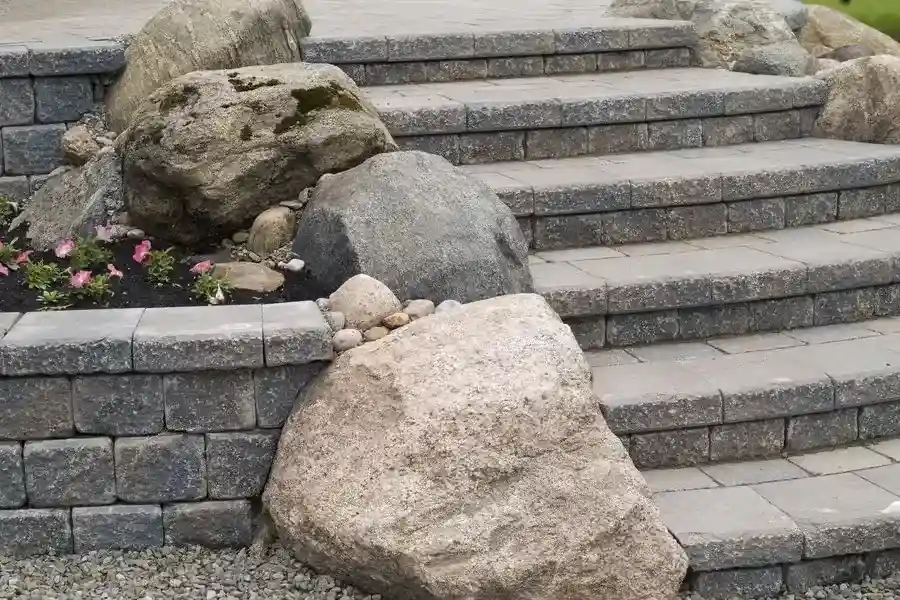
What You Need Before Starting
Good planning makes a big difference. Before starting any retaining wall installation, take time to study your yard. Look at the slope, soil type, and where water flows during rain.
Here is what you should have or review first:
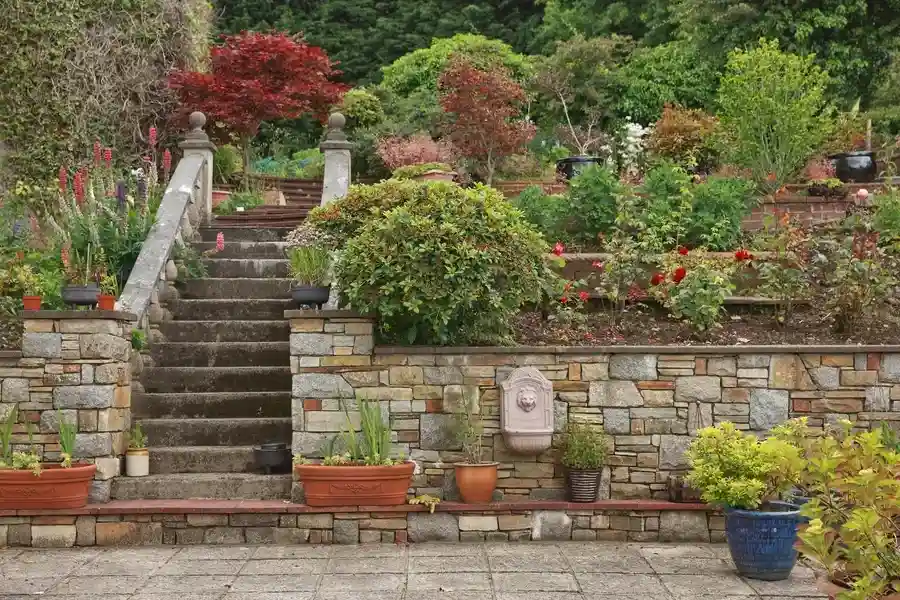
- A clear layout of where the wall will go
- Knowledge of underground utility lines
- Proper wall material such as concrete blocks, natural stone, or treated timber
- Gravel and drainage pipe for water control
- Basic tools like a shovel, level, and tamper
You may also need permits depending on wall height and local rules. Walls over a certain height often require approval and added support.
Step-by-Step Retaining Wall Installation Process
Every yard is different, but most retaining wall installation projects follow similar steps. Missing a step can cause leaning or failure later.
- Mark the layout. Use stakes and string to outline the wall.
- Dig a trench. The trench should be deep enough for a solid base layer.
- Add base material. Pour and compact gravel to create a firm foundation.
- Lay the first course. Place the first row of blocks level and tight.
- Add drainage. Install a perforated pipe behind the wall with gravel.
- Stack remaining layers. Stagger joints as you build upward.
- Backfill properly. Use gravel first, then soil, packing it in layers.
Drainage is one of the most important parts. Water buildup behind the wall creates pressure. That pressure can push the wall forward and cause cracks.
Common Mistakes to Avoid
Many yard problems happen because basic steps were skipped. Avoid these common errors:
- Skipping the gravel base
- Not leveling the first row
- Forgetting drainage pipe
- Building too tall without reinforcement
- Using the wrong materials for heavy soil
A wall may look fine at first. But after one heavy rain, poor drainage or a weak base often leads to leaning or bulging.
How Retaining Walls Improve Yard Structure
A well-built retaining wall changes how your yard works. It turns slopes into stable, useful spaces. You can add a garden bed, outdoor seating area, or walkway where the ground once sloped.
It also protects your home. Soil that shifts too much can affect foundations, fences, and driveways. Holding that soil in place adds support and helps prevent long-term damage.
In some cases, retaining walls are part of a larger landscape design plan. They shape the yard and create clear levels that look clean and organized.
When to Call a Professional
Small garden walls may be safe for experienced DIY homeowners. But taller or load-bearing walls need extra care.
You should contact a professional if:
- The wall will be over 3 to 4 feet tall
- Your yard has heavy clay soil
- Water drainage problems already exist
- The wall supports a driveway or structure
- You are unsure about permits
Professional crews use proper leveling tools, compaction equipment, and reinforcement systems. This helps the wall last for many years.
Final Recommendation and Local Help
If your yard in San Jose, CA has slopes, soil washout, or uneven ground, a strong wall can make the space safer and more usable. Retaining wall installation adds support, value, and better drainage when done the right way. Our team at Bay Area Hardscaping builds walls that are designed for long-term stability and clean appearance. We take time to plan drainage and base support so the structure holds up over time. Call us today at (650) 834-1772 to talk about your project and schedule a consultation.