Build Strong Landscape Support That Lasts for Years
Retaining wall installation is a smart way to create durable landscape design that holds back soil, controls water, and adds structure to your yard. A well-built wall prevents erosion, protects your foundation, and makes sloped land more usable. When done the right way, it can last for decades with very little movement or damage.
What You Need Before You Start
Before starting retaining wall installation, you need a clear plan and the right materials. Not all walls are the same. The size, height, and soil type all matter.
Here is what you should have ready:
- A site plan with wall height and length
- Gravel for the base and drainage
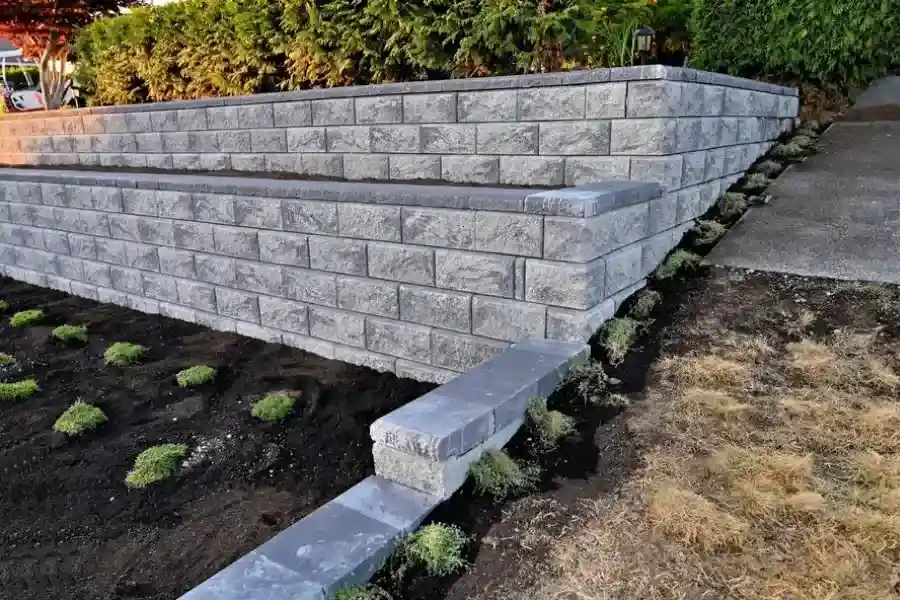
- Proper wall blocks, natural stone, or poured concrete
- Landscape fabric
- A level and compactor
- Drain pipe if the wall is over a few feet tall
You should also check local building codes. Some taller walls require permits or engineering plans. Planning ahead helps you avoid costly repairs later.
Step-by-Step Retaining Wall Installation Process
Strong walls are built from the ground up. Each step supports the next.
- Mark the area. Use stakes and string to outline where the wall will go.
- Dig the trench. The trench should be deep enough for a solid gravel base and the first row of blocks.
- Add and compact gravel. This creates a firm foundation and helps with drainage.
- Level the first course. The first row must be perfectly level. Take your time here.
- Install drainage. Add gravel behind the wall and place a drain pipe if needed.
- Stack additional rows. Stagger the joints for strength and stability.
- Backfill carefully. Add soil in layers and compact as you go.
Each step keeps pressure from building behind the wall. Good drainage is key. Water buildup is the main reason walls fail.
Common Mistakes to Avoid
Even small errors can shorten the life of your wall. Many problems show up after heavy rain.
- Skipping the gravel base
- Not adding drainage pipe for taller walls
- Using poor-quality fill dirt
- Building too high without reinforcement
- Failing to level the first row
Another mistake is building a wall that is too thin for the slope. Taller walls need reinforcement like geogrid fabric. Without it, the wall can lean or crack over time.
How Retaining Walls Improve Landscape Design
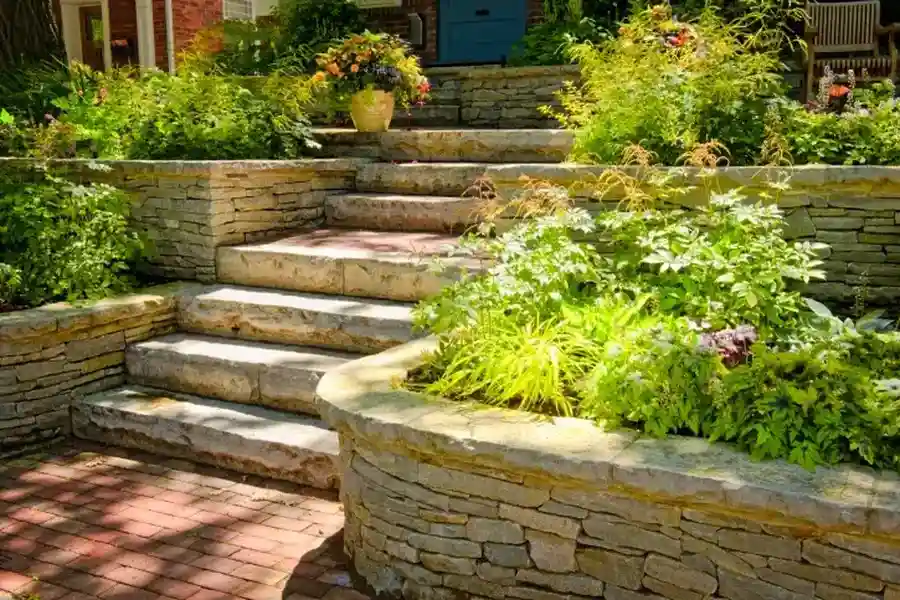
Retaining wall installation does more than hold back soil. It shapes your outdoor space. You can create flat garden beds on a slope. You can add terraces for seating or walkways. You can even prevent muddy runoff during heavy storms.
In landscape and hardscape projects, retaining walls act as both support and style. They define areas of your yard and add texture with stone or concrete finishes. When built with care, they blend strength and appearance.
When to Call a Professional
Small garden walls under three feet may be safe for experienced DIY homeowners. Taller walls are different. They carry heavy soil loads and water pressure.
You should call a professional if:
- The wall is over three to four feet high
- Your yard has poor drainage
- The soil is loose or sandy
- The wall is near your home’s foundation
- You see signs of erosion already happening
Professionals use proper base depth, reinforcement systems, and drainage methods. They can also help with permits and inspections.
Final Recommendation for a Long-Lasting Wall
Good retaining wall installation starts with planning and ends with careful backfilling and drainage. Strong foundations and water control matter more than decorative finishes. If you want a landscape design that stays level, stable, and attractive for years, the wall must be built right from the start.
Get Expert Help for Your Landscape Project
If you are planning retaining wall installation in San Jose, CA, choosing the right team can make all the difference. At Bay Area Hardscaping, we build durable landscape features designed to handle soil pressure and changing weather conditions. We focus on proper drainage, solid foundations, and clean finishes so your yard stays strong and beautiful. Call us at (650) 834-1772 to talk about your project and schedule a consultation with our team today.