How to Create a Durable Surface That Makes Driving in and Out Easy
Driveway installation creates a stable, even surface so vehicles can enter and exit your property without bumps, ruts, or safety risks. A well-built driveway supports the weight of cars, drains water away from your home, and improves curb appeal. When done the right way, it lasts for many years with only basic upkeep.
What You Need Before Starting
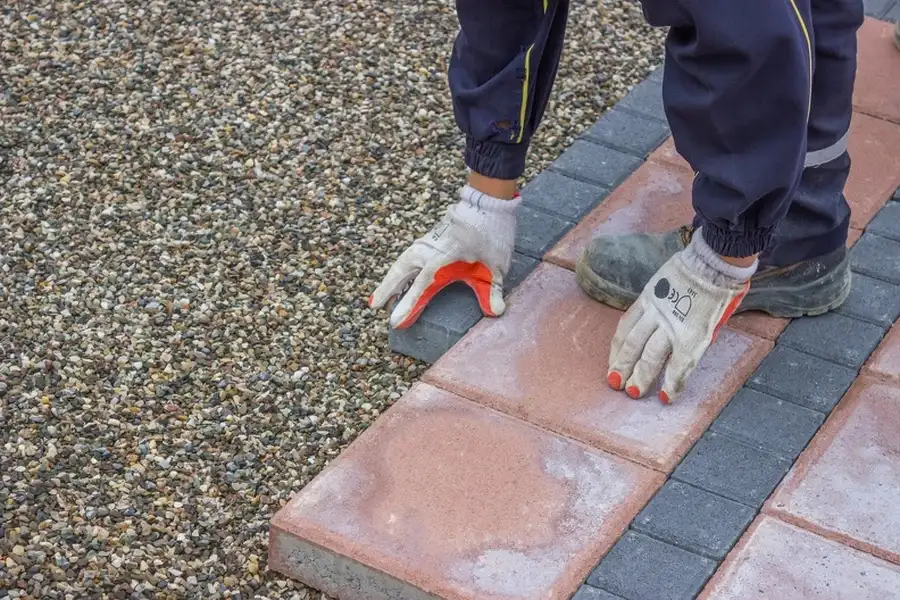
Before starting driveway installation, plan the layout and choose the right material. Common options include concrete, asphalt, gravel, and pavers. Each has different costs, lifespan, and maintenance needs.
You will also need:
- Clear property boundaries
- A plan for water drainage
- Proper permits if required in your area
- Access to tools or heavy equipment
- A solid base material like crushed stone
Good drainage is key. Water should flow away from your garage and home. If water pools on the surface, cracks and damage can form over time.
Step-by-Step Driveway Installation Process
While materials vary, most driveway projects follow similar steps.
- Mark and measure the area. Outline the driveway width and length. Make room for car doors to open safely.
- Excavate the soil. Remove grass, roots, and topsoil. Dig deep enough to allow for a strong base and surface layer.
- Install the base layer. Add crushed stone or gravel. Compact it well to create a firm foundation.
- Grade for drainage. Slightly slope the surface so water runs off to the sides.
- Install edging if needed. Edging keeps materials in place and gives clean lines.
- Pour or lay the top layer. This could be concrete, asphalt, gravel, or pavers.
- Allow proper curing time. Concrete and asphalt need time to harden before vehicles drive on them.
Each step builds on the one before it. Skipping or rushing a step can lead to sinking or cracking later.
Common Mistakes to Avoid
Many driveway problems start during installation. Small errors can turn into major repairs.
- Not digging deep enough for the base
- Poor compaction of the base material
- Ignoring drainage planning
- Pouring concrete too thin
- Driving on the surface before it cures
For example, if the base is weak, heavy vehicles can cause dips. Water then collects in those low spots. Over time, the surface may crack or crumble.
Choosing the Right Material for Your Home
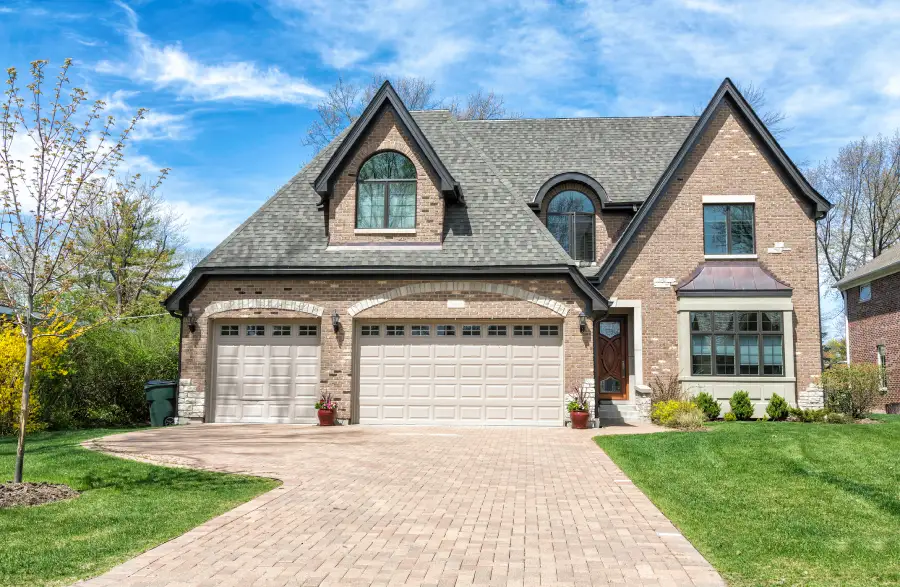
Your choice of material affects durability and maintenance. Concrete is strong and long-lasting. Asphalt costs less upfront and handles cold weather well. Gravel works for long rural driveways but needs regular leveling. Pavers offer a custom look and are easy to repair in small sections.
Think about how many vehicles will use the driveway each day. A busy household with trucks or SUVs may need a thicker surface. If you plan to park an RV, extra reinforcement is smart.
When to Call a Professional
Some homeowners try driveway installation on their own. Small gravel driveways may be manageable. Concrete and asphalt projects are more complex. They require proper grading, heavy equipment, and timing.
You should contact a professional if:
- The area has drainage problems
- The soil is soft or unstable
- You need permits or inspections
- The driveway connects to a public road
- You want stamped or decorative concrete
A skilled crew can complete the work faster and reduce the risk of mistakes. They also know local building codes and soil conditions.
Final Recommendation and Next Steps
A smooth, well-built driveway adds safety and value to your home. In San Jose, CA, soil shifts and weather changes can impact long-term results. At Bay Area Hardscaping, we handle every part of the project, from site prep to final surface work. We use quality materials and proven methods to build driveways that last. If you are thinking about upgrading your property, call us at (650) 834-1772 to schedule a consultation and let us help you create a strong, safe entry for your vehicles.